Polyimide (PI), recognized as the "golden film material", has long served as a cornerstone material for high-end electronics, aerospace and energy storage sectors. Polyimides derived from conventional pyromellitic-type and biphenyl-type dianhydrides feature high rigidity, brittleness and poor solubility, which bring great difficulties to processing and forming. Such materials can hardly meet the current flexible development trend of foldable displays and bendable circuits. 4,4'-Oxydiphthalic Anhydride, abbreviated as ODPA, CAS 1823-59-2, has a unique ether linkage bridging structure in its molecular backbone. It acts as a critical monomer to balance the heat resistance, flexibility, solubility and film-forming property of polyimide, and is a widely adopted dianhydride raw material for high-performance flexible PI systems.
In the ODPA molecular structure, two phthalic anhydride moieties are linked by a flexible ether bond. The ether bond allows moderate internal rotation of molecular segments, avoiding dense rigid stacking as seen in fully aromatic ring structures. This structural feature delivers multiple material advantages: on one hand, it retains the inherent high-temperature resistance, aging resistance, excellent electrical insulation, solvent resistance and radiation resistance of aromatic anhydride parent rings; on the other hand, it effectively reduces molecular chain rigidity, greatly improving the toughness, elongation at break and organic solvent solubility of the resulting polyimide. Solution casting film formation can be realized, expanding the processing window and addressing the industry pain points of poor processability and easy cracking of many high-end PI materials.
In terms of thermal performance, polyimides synthesized from ODPA generally have outstanding thermal decomposition temperature, controllable glass transition temperature and high long-term continuous service temperature. They resist cracking and deformation under alternating high-low temperature cycles and show excellent thermal dimensional stability. For electrical properties, they feature low dielectric loss and high breakdown strength, maintaining stable performance under high-frequency and high-voltage electronic conditions. In terms of medium resistance, finished films are resistant to acids, alkalis and most organic solvents, with superior hydrolysis resistance compared with many ordinary PI systems, suitable for harsh and complex working conditions.
Benefiting from its distinctive comprehensive properties, ODPA (CAS 1823-59-2) keeps expanding its downstream application coverage across multiple national strategic emerging industries:
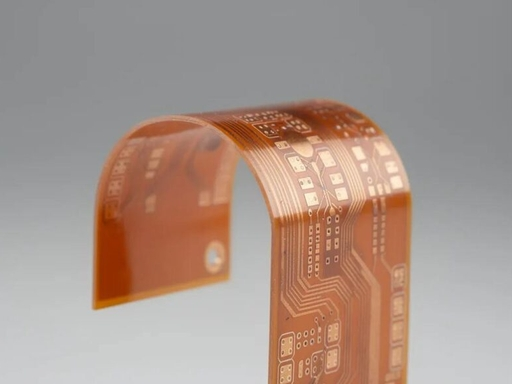
✅ Flexible Display: OLED flexible substrates, foldable PI supporting films, insulating layers for touch modules, color filter substrate materials, for developing low-yellowing modified PI formulations with repeated bending resistance and crease-free performance;
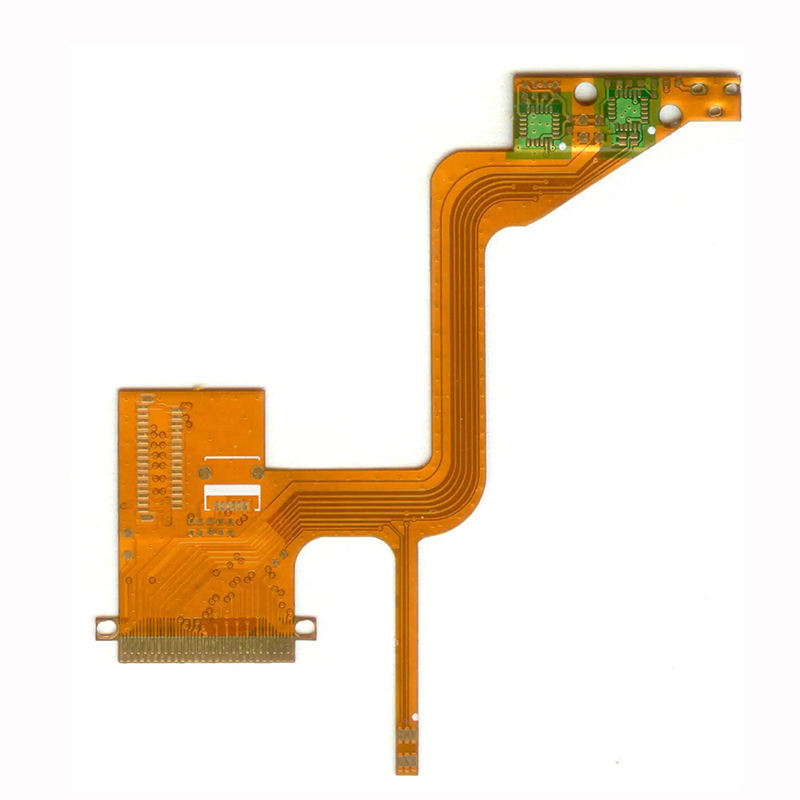
✅ Flexible Printed Circuit (FPC) & Flexible Copper Clad Laminate (FCCL): Base films for flexible copper clad laminates and raw materials for adhesive modification, compatible with 5G/6G high-frequency high-speed circuits while balancing insulation, heat resistance and bending reliability;
✅ New Energy & Energy Storage: High-temperature resistant coating for lithium battery separators, interfacial insulating films for solid-state batteries, thermal insulation substrates for energy storage cells, mitigating thermal runaway risks and improving battery safety;
✅ Aerospace & Rail Transit: Matrix resin for lightweight high-temperature resistant composite materials, insulating sheaths for cables, radiation-resistant thermal insulation films for spacecraft, adapting to space radiation, wide temperature ranges at high altitudes and high-temperature operation of locomotives;
✅ Semiconductors & Electronic Packaging: Chip buffer layers, packaging protective films, insulating coatings for micromotors, flexible substrates for sensors;
✅ R&D & Special Polymers: Research of soluble polyimide, polyamic acid, PI aerogel, separation membranes, high-temperature resistant adhesives and heteroaromatic modified materials. It is a frequently selected monomer for lab-scale formulation development in universities, research institutes and advanced new material enterprises.
ODPA with different purity grades meets differentiated requirements: high-purity grade is mainly used for displays, semiconductors and high-end FPC, with strict control of impurities and low metal ions to prevent leakage, dark spots and yield loss of electronic devices; industrial grade applies to composite materials, thermal insulation coatings and mass production of conventional insulating films.
Our company supplies ODPA (CAS 1823-59-2) with stable quality. Various purity grades are available upon request. Orders from gram-level lab samples and kilogram-level pilot trial batches are acceptable. Complete COA and MSDS documents are provided for each batch. Customized packaging and temperature-controlled transportation are supported with full traceability. Strict production control is implemented for chroma, acid value, moisture, heavy metals and single impurities, with small batch-to-batch variation. It ensures stable viscosity of customer polyamic acid dope and consistent film-forming performance, reducing rework in mass production.
As flexibility, light weight and high reliability become the mainstream trends of high-end materials, ODPA (CAS 1823-59-2), the core monomer for flexible PI, continuously helps new material enterprises iterate formulations and develop new-generation polyimide products with combined high-temperature resistance, bendability and easy processability. Material manufacturers and R&D teams are welcome to inquire and request samples to jointly build the supply chain of advanced polymer materials.
Reg Office: Room 435, Building 9, No.2568 Gudai Road, Minhang District, Shanghai, China.
Pilot Lab: Building 1, No. 589 Qinling Street, Shijiazhuang High-tech Zone,Hebei, China.
Plant Unit 1: Xincheng town clean chemical park, Xinji, Hebei, China.
Plant Unit 2: Dongming County South Chemical Park, Heze City, China.
Tel: +86-21-34943721
WhatsApp:+86 186 1680 6816
Email:Massive@massivechem.com
Info@massivechem.com
Shanghai Massive Chemical Technology Co., Ltd. All Rights Reserved(C)2023 Supported by Record number:沪ICP备18008139号