Against the backdrop of iterative upgrading of high-end new materials, specialty branched diols, as key building monomers in resin synthesis, continuously open up new avenues for formulators to tune material properties. 2-n-Propylpropane-1,3-diol (CAS: 2612-28-4), a uniquely structured branched aliphatic diol, features well-defined primary dihydroxyl groups and a pendant n-propyl side chain. Distinct from conventional linear diols such as ethylene glycol, 1,3-propanediol and neopentyl glycol, it serves as a differentiated core raw material for polyesters, polyurethanes, alkyd resins, specialty coatings, pharmaceutical heterocyclic intermediates and nonionic surfactant systems. It is gaining growing recognition and commercial adoption among R&D engineers and manufacturers in fine chemicals, high-performance coatings, adhesives & sealants, and personal care additives.
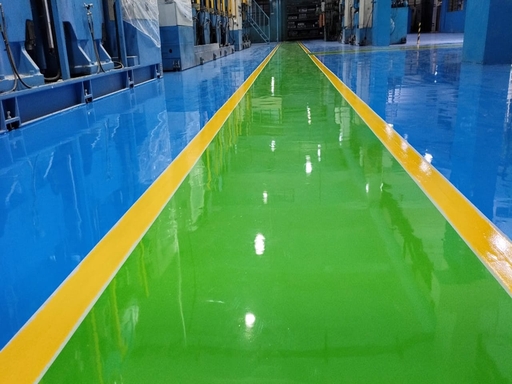
Its molecular formula is C₆H₁₄O₂ with a molecular weight of 118.18. At ambient temperature, it appears as a clear, colorless liquid with a density of 0.961 g/cm³, boiling point of 230 °C (760 mmHg), flash point of 107.3 °C and refractive index of 1.448. It exhibits stable physicochemical properties with balanced and controllable hydroxyl reactivity and excellent compatibility. It blends well with polybasic acids, isocyanates, various solvents and olefin monomers, making it a versatile flexible diol monomer for formulation development. The n-propyl branch on its molecule constitutes its core performance advantage: the branched structure effectively disrupts regular packing of polymer backbones, markedly reducing resin crystallinity to avoid common drawbacks including brittleness, precipitation and low-temperature cracking. Meanwhile, it endows polymer chains with outstanding flexibility, hydrolysis resistance and hydrophobicity. While improving the elasticity of paint films and adhesive layers, it optimizes water resistance, moisture resistance and weatherability, perfectly matching formulation scenarios requiring combined softness, deformation resistance and water tolerance.
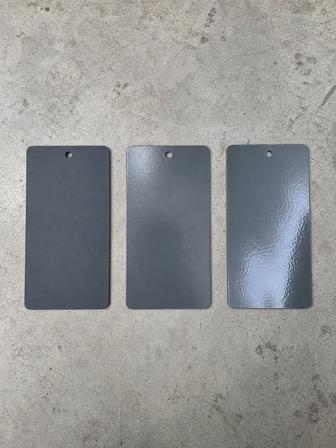
In polyester resin synthesis, CAS 2612-28-4 acts as a preferred modifying monomer for saturated polyesters, unsaturated polyesters and alkyd resins. When partially replacing conventional diols in alkyd coating systems, the resulting paint film delivers greatly enhanced flexibility, reduced water absorption, lower blushing tendency, improved surface feel and superior gloss retention. For unsaturated polyesters, its branched structure enables precise regulation of resin viscosity and cure shrinkage, alleviating internal curing stress, minimizing part cracking and boosting glass fiber wetting performance, which is suitable for composites, casting resins and artificial stone/craft resins. For high-end saturated polyesters, whether used in baking coatings, coil coating polyesters or thermoplastic polyester elastomers, this monomer can adjust the glass transition temperature and balance hardness and elongation, breaking the traditional dilemma of conventional diol formulations where higher hardness leads to brittleness and softness causes tackiness.
The polyurethane sector represents another key application field for this branched diol. Its two reactive primary hydroxyl groups undergo steady and controllable reactions with isocyanates with few side reactions and excellent batch-to-batch reproducibility, suited for synthesizing polyether-polyester polyols and PU soft segments. PU chains built from this monomer feature outstanding low-temperature toughness and better hydrolysis resistance than common hexanediol-based systems. The resulting PU adhesives, sealants, elastomers and waterborne PU coatings achieve longer service life under humid outdoor conditions and alternating hot-cold cycles while remaining flexible instead of rigid at low temperatures. Target high-end applications include rail transit seals, photovoltaic auxiliary adhesives, specialty composite adhesives and textile PU coatings. Additionally, it can be used for synthesizing waterborne polyurethane dispersions to improve emulsion stability and film-forming extensibility and cut the dosage of film-forming aids, aligning with the low-VOC trend of eco-friendly coatings.
In pharmaceutical and organic synthesis, 2-n-propyl-1,3-propanediol functions as a critical aliphatic intermediate for constructing a wide range of heterocyclic compounds, chiral building blocks and drug side chains. Its hydroxyl groups can be further converted via esterification, etherification and halogenation with clean reaction routes and easy impurity control, applicable to pharmaceutical intermediates, fine organic synthesis and custom laboratory synthesis projects. With strict quality control, high-purity grades meet stringent requirements of pharmaceutical R&D and CMO synthesis on purity, color and single-impurity control, supporting full-process development from lab-scale trials and pilot runs to industrial scale-up.
Besides, this product finds applications in developing nonionic surfactants, emulsifiers, wetting agents and moisturizing ingredients for personal care. Its branched structure delivers unique wetting, dispersing and moisturizing properties with mild compatibility. It can be incorporated into cleansing and skincare formulations as an emollient humectant to optimize skin feel and reduce greasiness. In industrial emulsification systems, it helps stabilize emulsions and unlock application potential in textile auxiliaries and industrial cleaners.
We provide stable supply of CAS 2612-28-4 2-n-propyl-1,3-propanediol at different purity grades (96%, 98% GC), accompanied by complete COA covering GC purity, water content, color, acidity and hydroxyl value. Sample testing, kilogram-scale trial orders and tonnage bulk supply are available. Flexible packaging options including small drums and IBC totes can be customized. Warehousing and transportation comply with relevant regulations, complete hazard communication documents are ready. We can supply SDS, customs declaration documents and third-party test reports for overseas customers and fulfill foreign trade orders under terms such as FOB and CIF.
Following the R&D trend of new materials, we continue to deepen our product portfolio of branched diols, providing stable raw materials plus formulation technical support for customers engaged in coating resins, PU elastomers, composite materials and pharmaceutical fine chemicals. We help customers develop differentiated products and resolve formulation challenges concerning flexibility, hydrolysis resistance, low crystallinity and low shrinkage. Resin manufacturers, coating enterprises, new material R&D institutes and pharmaceutical synthesis laboratories are welcome to contact us for sample evaluation and jointly explore the full potential of 2-n-propyl-1,3-propanediol (CAS 2612-28-4) in next-generation eco-friendly materials.
Reg Office: Room 435, Building 9, No.2568 Gudai Road, Minhang District, Shanghai, China.
Pilot Lab: Building 1, No. 589 Qinling Street, Shijiazhuang High-tech Zone,Hebei, China.
Plant Unit 1: Xincheng town clean chemical park, Xinji, Hebei, China.
Plant Unit 2: Dongming County South Chemical Park, Heze City, China.
Tel: +86-21-34943721
WhatsApp:+86 186 1680 6816
Email:Massive@massivechem.com
Info@massivechem.com
Shanghai Massive Chemical Technology Co., Ltd. All Rights Reserved(C)2023 Supported by Record number:沪ICP备18008139号