Benefiting from fast film formation, low VOC, energy efficiency and high productivity, UV curing technology keeps replacing conventional solvent-borne systems in wood coatings, plastics, optics, 3D printing, electronic adhesives, inks and other sectors. Nevertheless, outdoor UV-curable formulations have long faced a common challenge. Conventional small-molecule UV absorbers (BP-1, UV-531, etc.) are only physically blended and dispersed inside resins. Under prolonged sunlight exposure, rainwater leaching, solvent wiping and high-temperature ageing, they tend to migrate, bleed out and bloom. This leads to rapid yellowing, gloss loss, chalking and cracking of coatings. The exudates may also contaminate contact surfaces, reduce coating adhesion and impair the transmittance of transparent articles, which greatly limits their application in optical films, food-contact materials and high-end electronic materials.
CAS 15419-94-0, 2-Hydroxy-4-acryloyloxybenzophenone (commercial name BP-1A), is a reactive copolymerizable UV-absorbing monomer with a benzophenone backbone. It is developed specifically to address the above pain points and has been widely adopted in high-end UV-curable formulations in recent years.
Its molecular formula is C₁₆H₁₂O₄. The molecular structure contains two key functional moieties: one is the classic ortho-hydroxybenzophenone chromophore responsible for UV capture and photostabilization; the other is a polymerizable acryloyloxy double bond, which is the core distinction from ordinary benzophenone UV absorbers. During UV free-radical curing, the acryloyl double bond undergoes free-radical addition reaction simultaneously with acrylate oligomers, reactive diluents and other co-monomers. It is permanently anchored into the 3D crosslinked resin network via covalent bonds instead of existing as free small molecules, fundamentally eliminating migration, bleeding and solvent extraction loss.
In terms of spectral absorption, BP-1A covers 280–400 nm, including the full UVB range and most of the UVA range, with an absorption peak at approximately 310–330 nm. Its stabilization mechanism relies on reversible intramolecular hydrogen-bond proton transfer. After absorbing UV energy, it converts high-energy ultraviolet radiation into harmless low-grade heat, suppressing photo-oxidative degradation of resin chains and effectively retarding coating yellowing, gloss decline and mechanical strength deterioration, so as to protect substrates from UV erosion. Compared with non-reactive BP series, at the same loading level, the formulation retains far superior photostability after accelerated ageing, xenon lamp ageing, water immersion and alcohol resistance tests, showing outstanding long-term protection performance.
For formulation compatibility, BP-1A exhibits good compatibility with most acrylate oligomers, mono-/multi-functional reactive monomers and free-radical photoinitiators (1173, 184, TPO, 819, etc.). At low dosage, it will not significantly affect curing speed, coating transparency, hardness or adhesion. It is compatible with solvent-free UV systems, solvent-thinned UV systems and waterborne UV emulsions. It is generally a pale yellow crystal or low-melting solid with a melting point around 30 °C. It can be pre-dissolved with monomers and oligomers at ambient temperature for easy feeding, with low risk of poor dissolution and agglomeration. The recommended loading is 0.5–3.0 wt%, adjustable according to outdoor durability grade, film thickness and substrate requirements. Mature industrial formulations usually combine it with HALS (hindered amine light stabilizers) to build a synergistic weathering system of “UV absorption + free radical scavenging”, further extending the anti-ageing lifespan — this is a classic weathering combination for outdoor UV coatings.
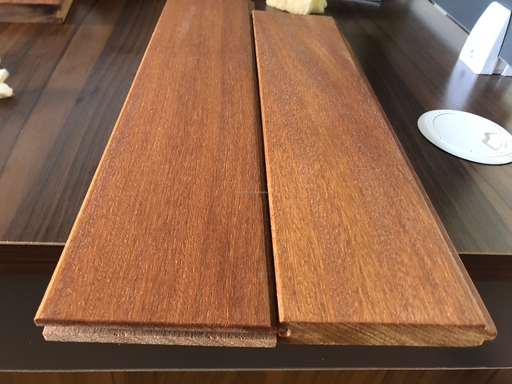
1. Outdoor UV clear coats for wood: UV topcoats for garden wood decks, outdoor preservative wood and wooden doors & windows. It prevents sunlight-induced yellowing, weathering agent loss from rain washout and coating whitening/gloss loss while maintaining the transparent texture of wood grain.
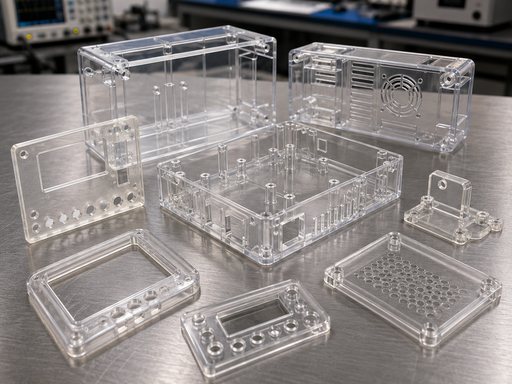
2. UV topcoats for plastics / modified plastic coatings: UV clear coats on ABS, PC, PMMA and PP substrates for home appliance housings, outdoor plastic parts and fitness equipment coatings, preventing photo-ageing cracking of substrates.
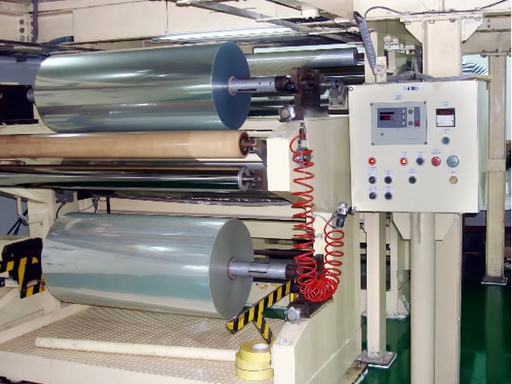
3. Optical functional films and thin-film UV coatings: PET protective films, decorative films, dimming films and display optical films. Its low-migration property avoids haze rise and interface contamination caused by bleeding, and preserves high light transmittance.
4. 3D printing photoresins: SLA/DLP resins and outdoor printed parts. Finished parts resist yellowing and embrittlement during long-term exposure, suitable for cultural & creative products, outdoor structural components and tooling models.
5. UV inks and jet-printing inks: Outdoor UV inkjet inks and surface-printing inks for plastics, improving colour retention and retarding chalking and delamination of ink layers.
6. UV adhesives and electronic encapsulation UV resins: Optical adhesives, laminating adhesives and protective coatings for electronic components, avoiding contamination of chips and optical lenses from small-molecule exudation.
7. Surface weathering modification for photoresists and UV-curable composites, as well as special UV-curable systems requiring low bleeding and low migration.
BP-1A contains a benzophenone chromophore. Excessive addition will deepen the base colour, so the dosage cap must be controlled for high-transparency formulations. As a reactive monomer, it shall be stored away from light, in cool and dry conditions and isolated from air to prevent premature self-polymerization. It is not suitable for direct use in cationic curing systems (epoxy cationic UV) and is preferentially applied to free-radical UV curing systems. Food-contact applications require prior migration testing complying with relevant regulations.
As downstream end-users continuously raise requirements for material durability, safety and low bleeding, formulations relying solely on physically blended small-molecule photostabilizers can hardly satisfy high-end markets. Reactive photostabilizing monomers represented by CAS 15419-94-0 (BP-1A) stand for the development trend of UV-curable weathering additives: anchoring stabilizing groups into polymer backbones via chemical bonds to achieve long-lasting, non-migratory and combinable UV protection. It facilitates the upgrading of UV coatings, inks and resins toward high weather resistance, high reliability and low exudation. Mass production is available domestically. We can provide samples, technical formulation support and ageing benchmark testing services to help customers rapidly develop new outdoor long-durable UV-curable products.
Reg Office: Room 435, Building 9, No.2568 Gudai Road, Minhang District, Shanghai, China.
Pilot Lab: Building 1, No. 589 Qinling Street, Shijiazhuang High-tech Zone,Hebei, China.
Plant Unit 1: Xincheng town clean chemical park, Xinji, Hebei, China.
Plant Unit 2: Dongming County South Chemical Park, Heze City, China.
Tel: +86-21-34943721
WhatsApp:+86 186 1680 6816
Email:Massive@massivechem.com
Info@massivechem.com
Shanghai Massive Chemical Technology Co., Ltd. All Rights Reserved(C)2023 Supported by Record number:沪ICP备18008139号